

Natural Disaster Planning

Every type of natural disaster presents unique risks to patients using home medical equipment. Being prepared ahead of time helps ensure your treatment continues safely even in rapidly changing conditions.
disaster 1000

Hurricanes & Tropical Storms

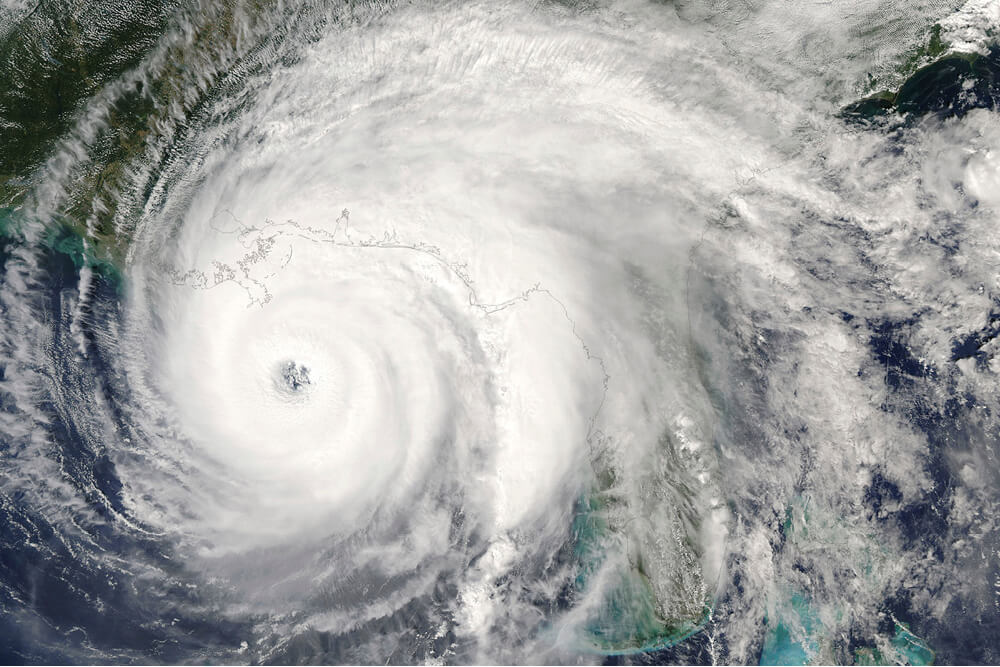
Hurricanes can cause long power outages, flooding, and blocked roads, so patients should fully charge equipment, secure backup supplies, and prepare for possible evacuation. During and after the storm, keeping equipment dry and switching to battery or tank backups ensures safe continued use.
water standing in the road

Flooding

Floods can quickly damage electrical equipment and contaminate supplies, so elevate devices and store essential items in waterproof containers. Never use equipment that has touched water until it has been inspected and cleared for safety.
green grass field under blue sky during daytime with flames and smoke in the distance

Wildfires

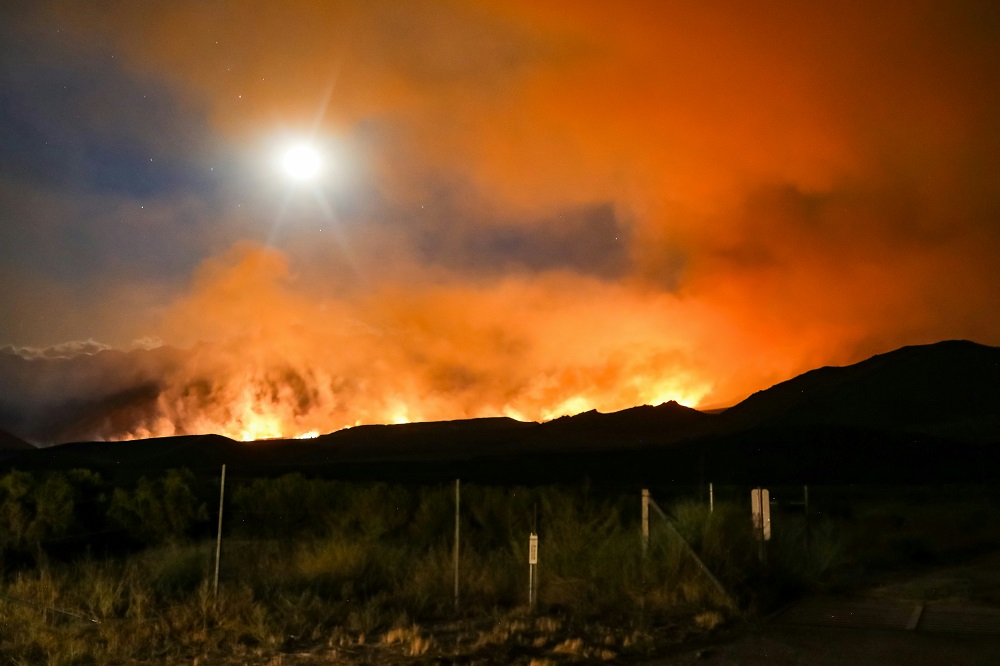
Wildfires create hazardous air quality and may force rapid evacuation, so patients should keep portable oxygen tanks ready and have masks and essential supplies packed. After smoke exposure, filters and tubing should be replaced to maintain safe equipment performance.
emergency prep checklist

Power Outages

Power outages can interrupt therapy for patients using electric-powered devices, so maintaining fully charged batteries and ready backup oxygen tanks is essential.

Your Emergency Preparedness Checklist

1. Stay Informed: Alerts & Warnings

Be sure you can receive critical emergency notifications through multiple channels:

  • Wireless Emergency Alerts (WEA): Automatically delivered to compatible cell phones by public safety officials. Check with your wireless carrier to ensure participation.
  • Emergency Alert System (EAS): Important broadcast alerts delivered via TV, radio, and satellite providers.
  • NOAA Weather Radio (NWR): Nationwide network providing 24/7 weather and hazard updates from the National Weather Service.

2. Know Your Shelter Plan

Depending on the situation, instructions may vary:

  • Stay-at-home orders
  • Shelter-in-place in a designated community location
  • Evacuation to a mass-care shelter: FEMA Disaster Recovery Center Locator
  • Your local county website may also provide emergency management plans and shelter instructions.

3. Plan Your Evacuation Route

Have a clear, accessible evacuationplan before an emergency. This includes:

  • Primary and secondary evacuation routes
  • Transportation arrangements
  • A list of medical items to take with you
  • A 3–5-day backup supply kit for equipment and medications

4. Build Your Personal Support Network

Prepare a list of people and resources who can assist you during an emergency:

  • Preferred Homecare local service center contact
  • Physician and pharmacy information
  • Emergency caregivers
  • Family or friends who can assist with transportation, equipment setup, or relocation
  • Store this information somewhere visible (refrigerator, device home screen, travel bag, etc.

5. Power Outage Planning

If you reply on equipment that requires electricity, consider:

  • Getting placed on your utility company’s priority restoration list
  • Understanding your device’s battery backup duration
  • Keeping fully charged spare batteries (if applicable)

6. Plan for Medical Decline

Emergencies can worsen medical symptoms or disrupt access to healthcare. Have a plan for:

  • When to seek hospital care
  • Transportation options

Home Safety Tips

person running

Preventing Trips & Falls


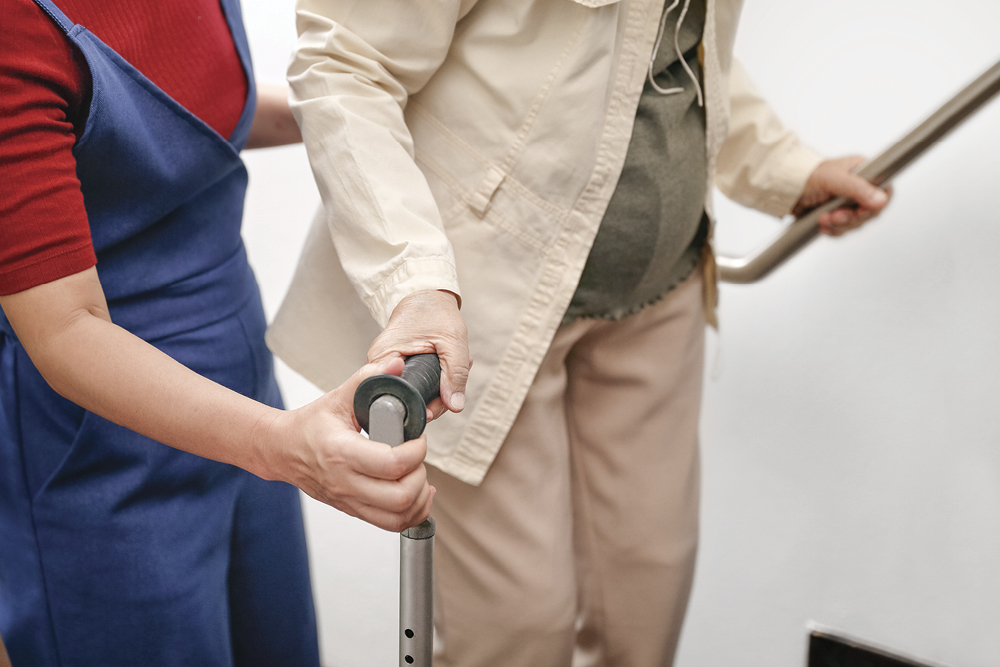
  • Ensure all walkways, including stairs and hallways, are brightly lit to improve visibility.
  • Add support bars in bathtubs, showers, and beside toilets to reduce slipping risks.
  • Place non-slip mats inside tubs and on bathroom floors to prevent sudden falls.
  • Make sure every staircase has secure, sturdy handrails for added stability.
  • If you use oxygen, stay mindful of tubing to avoid catching it underfoot.

Emergency Number: Call 911 for any serious injury or fall.

skull crossbones solid

Poison Safety & Prevention


  • Keep the National Poison Control Center number in a visible spot: 800‑222‑1222.
  • Store cleaning products, chemicals, and other hazardous liquids in locked or elevated cabinets.
  • Install and routinely test carbon monoxide detectors throughout the home.
  • Keep all medications stored safely and out of reach of children or unauthorized individuals.
fire icon

Fire & Burn Safety


  • Place smoke detectors on every level of your home and test them regularly to ensure they’re functioning.
  • Create a clear fire escape plan and make sure everyone in the home knows the route.
  • Store matches and lighters away from children and in secure locations.
  • Keep flammable substances, including those associated with oxygen use, far from heat sources, sparks, and electrical equipment.

Fire Emergency: Call 911

Emergency Equipment & Supplies Kit

Being prepared with the right supplies ensures you can continue your therapy safely during any emergency. Assemble an Emergency Equipment & Supplies Kit and store it in an easily accessible place so you can take it with you if you need to evacuate.

What to Include in Your Kit:


Medical Equipment Essentials

  • A complete list of all your home medical equipment (oxygen devices, CPAP/BiPAP, ventilators, nebulizers, feeding pumps, suction units, etc.).
  • Fully charged backup batteries and power cords.
  • Portable oxygen tanks or backup air sources, if applicable.
  • Copies of your equipment settings and instructions for use.

Critical Supplies

  • Extra tubing, masks, filters, cannulas, humidifier bottles, and connectors.
  • Sterile water, distilled water, or saline if your therapy requires it.
  • A 3–5-day supply of medications and a printed medication list.
  • Alcohol wipes, gloves, and cleaning supplies for safe equipment maintenance.

Emergency Documentation

  • Printed copies of prescriptions and doctor’s orders.
  • Emergency contact list, including Preferred Homecare’s local service center, your physician, and pharmacy.
  • Insurance cards and identification.

General Emergency Items

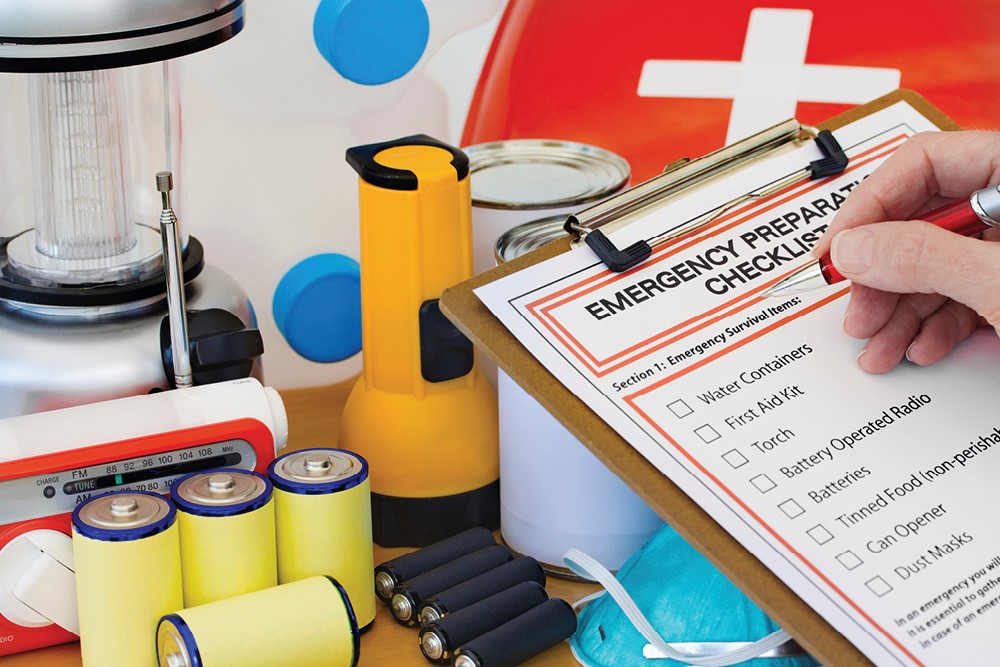
  • Flashlight with extra batteries (no candles or open flames near oxygen).
  • Portable power bank for mobile devices.
  • Small first-aid kit.
  • A waterproof folder for storing documents.
  • A compact “go bag” to carry everything quickly during evacuation.

Environmental Protection Items

  • Waterproof bags to protect equipment and supplies.
  • N95/KN95 masks for air quality emergencies (if appropriate for your therapy).
  • A blanket or cooling pack depending on your climate.

Tips for Maintaining Your Emergency Kit

  • Review and refresh supplies every 6 months.
  • Keep batteries charged and rotate medications before they expire.
  • Store your kit in a visible location near an exit.
  • Inform family members and caregivers where the kit is kept.

For more information on fully preparing for an emergency, visit:

For more information:


Disclaimer: The tools and resources mentioned are provided for informational purposes only and do not constitute endorsement by Preferred Homecare. They are shared solely as examples of available options to support awareness and exploration. Users are encouraged to conduct their own research and evaluate suitability based on individual needs and circumstances.

X
Cookies help us improve your website experience.
By using our website, you agree to our use of cookies.
Confirm